It’s a self-evident truth that war affects everyone, young and old, those on the front line, and those who remain at home fearing for loved ones, as well as fearing for their own futures.
My novella, Choices, explores some of those fears through the experiences of ten- year-old, Vera Stubbs. With her father far away, fighting the enemy, Vera is trying to make sense of the changes that surround her, many she can make no sense of. In an attempt to hang on to happy memories, in this extract from Choices we learn about one of Vera’s favourite places. Before the war she and her father often visited Bottle Alley, sitting together on the concrete seats, looking out to sea, while Matthew Stubbs recounted stories of happy times to his young daughter. And it is Bottle Alley that Vera longs to return to, as soon as the war is over and her father is back home with the family.
Every night before closing her eyes, Vera kissed her father’s photograph. In the photo Matthew Stubbs smiles directly at the camera. An open-necked shirt, a jumper slung around his shoulders and one hand raised with a ‘thumbs up’ sign. The photo helped Vera remember her father’s face, but she needed no help to remember his smell. Shaving soap and Everton mints. She never tired of hearing his account of the day the photo was taken.
an extract from choices
‘Everton had just won. Scored the winning goal in the final minute. I came straight home from the match, took off my tie and jumper and your mum used the camera we’d bought only the week before. It was the first photo she’d ever taken.’
Matthew went on to give Vera a kick-by-kick account of the game. Vera listened, understanding very little, but revelling in the joy she detected in her father’s voice as he described the ‘nifty passes’, the ‘clever tackles’ and finally the winning goal. ‘A masterpiece, it was. Dixie Dean is just about the greatest goal scorer the game has known,’ he said. ‘The goalie didn’t stand a chance.’
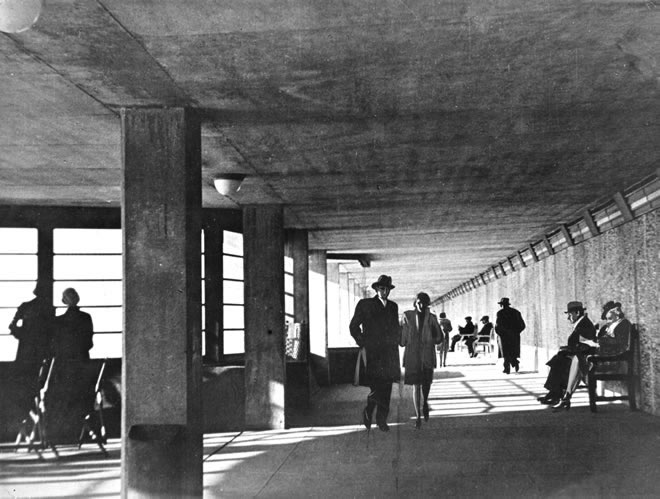
And, as if to honour his team, every Saturday Matthew took Vera to the corner shop, giving her the money to buy a few pennies’ worth of Everton mints. They walked down to Bottle Alley, the covered walkway below the seafront and sitting on one of the concrete seats, gazing out to sea, Matthew unwrapped two Everton mints, giving one to Vera, before popping one into his mouth. They enjoyed the sweets in silence. Then, once there was nothing left to suck or chew, just the tang of mint flavour remaining, Matthew recounted the story of the Everton mint and how it came to have its black and white stripes.
‘It was all down to old Mother Noblett and her sweet shop. The Everton football fans passed her shop on the way to the match, so she got to thinking if she made a sweet and called it after the Everton team then she would have plenty of customers for it.’
‘Why was it black and white?’
‘Because that was the colour of the team’s football strip.’
‘Why is it called a strip?’
There was so much Vera didn’t understand about the story. In fact, most of her father’s stories left her with questions. But the joy was in the listening and watching his eyes light up and his hands fly around as he described the moments that gave him such pleasure. He told her about the time Uncle Bill was asked to try out for the Everton football team. It was strange though because Uncle Bill had never mentioned it, neither had Auntie Doris. So maybe it hadn’t happened at all. No matter.
Vera had made a pledge to herself. Even if they stopped sweet rationing this very day, she wouldn’t sit on their favourite bench or enjoy a single Everton mint until her father was sitting beside her.
The fictional seaside town of Tamarisk Bay, the setting for Choices and many of my books, is based on my home town of St Leonards-on-Sea in Sussex. Bottle Alley – a place I visited many times during my childhood – was the brainchild of the ‘concrete’ king of Hastings – one Sidney Little. Back in the early 1930s Little came up with a plan to create a covered walkway some half a mile long, stretching from St Leonards-on-Sea through to Hastings. It seems that Little was a pioneer when it came to recycling, coming up with the idea of reusing old tramway granite setts to face the walls to take the full force of the sea. After a short delay for funds to be raised, construction began in earnest and the walkway was opened on 12 May 1934 by the Marquis of Reading.
The original construction involved glass shutters covering the openings, offering even more protection from the weather, giving the local residents a chance to stroll along the promenade on the wettest of days. Little’s other idea was to face the concrete walls with small pieces of reclaimed coloured glass – giving the walkway the name ‘Bottle Alley’.
Today the glass shutters are no longer in place, but that doesn’t deter the many locals and visitors to the town to enjoy the place. What’s more, in 2017, coloured lights were installed along the full length of Bottle Alley, providing an opportunity for beautiful evening light shows, spilling out across the sea.

Thanks to the following for the information provided here: Hastings Online and 1066.net.
My next post goes behind the scenes of Lost Property, the second novel in the Janie Juke series of mysteries, where Janie needs to revisit the past to solve a decades old mystery.
Just click on ‘subscribe’ on the home page to follow my website, to ensure you don’t miss out on forthcoming articles.
 Isabella Muir
Leave a Reply